
Parliament has passed a law that aims to block the UK leaving the EU without a deal on 31 October.
But it does not completely rule out a Halloween ‘No Deal’ Brexit.
So how will a ‘No Deal’ Brexit impact you and your business?
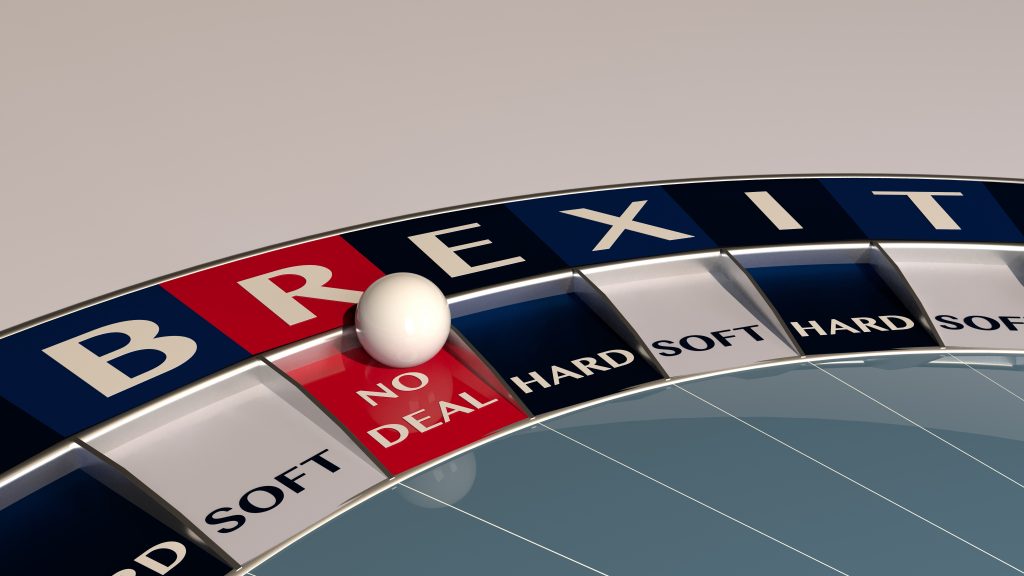
There is still uncertainty around what Brexit will mean and planning for a ‘No Deal’ scenario seems sensible right now.
The Government has published guidance: ‘UK government’s preparations for a no deal scenario‘ and it continues to provide updates on how to prepare for the event.
Businesses that buy and sell from the EU should have contingency plans in place which will need to be flexible to cope with a variety of possible outcomes.
If the UK exits the EU without a deal on the 31 October 2019, many UK businesses will need to apply the same processes to EU trade that apply when trading with the rest of the world.
Here are some of the areas you should consider;
Movement of Goods
- Register (unless you already have) for an Economic Operator Registration and Identification (EORI) number
- Export rules are specific by sector so review ‘Preparing your business for the UK leaving the EU‘.
- Review guidance on how to prepare for the Customs Declaration Service (CDS) which outlines what you need to do to get ready for the CDS.
- HMRC have acknowledged that a ‘No Deal’ scenario may affect the working capital of many businesses. They are reintroducing postponed accounting for duty and VAT which will be settled on VAT returns and not at the port.
Supply Chain Analysis
- In the event of ‘No Deal’ all exports and imports to the EU will be subject to tariffs under the rules of the World Trade Organisation (WTO). You will need to identify where ‘inputs’ come from and which categories of product they fall into, so you can work out the tariffs that will apply.
- Review WTO and EU rates online and check the tariff data for your business.
Product Standards and Compliance
- UK product standards and regulations will be aligned to the EU at the point of exit. However, in the event of ‘No Deal’, then UK assessment and certification arrangements could cease to be recognised by the EU.
- The British Standards Institute (BSI) is a member and will remain so after Brexit. You should regularly review the BSI website for updates with reference to your industry sector.
Contracts with EU Companies
- If you currently have business agreements with EU companies, these may need to be redrafted to cover off areas such as customs arrangements, import duties, how VAT is accounted for, definitions such as ‘Territory’, dispute resolution and unanticipated administration as a result of Brexit.
EU Employees in the UK and Post Brexit Planning
- Review all EU employees currently working in your business and ascertain whether they are applying for ‘Settled status’ by 31 December 2020.
- EU citizens who wish to stay for longer than 36 months will need to apply and qualify under the terms of the UK’s new skills-based immigration system. This will begin from 1 January 2021. Your UK employees working in the EU may need to apply for similar status.
Other Matters
- If your business has a ‘.EU’ domain name, you should check the eligibility to hold such a domain.
- If you are involved in eCommerce then read the Governments EU exit guidance.
- Data Protection – you may need to comply with new license requirements and changes in regulation. The Information Commissioner’s Office (ICO) has published a six step checklist to prepare for data compliance.
- Copyrights, Intellectual Property (IP) and trademarks – at this point in time it is not clear if EU trademarks would be applicable in the UK post Brexit.
- Management of currency risk. There has been a downward trend in the pound to Euro rate post the vote in 2016.
If any of the above matters will have an impact on your business in any way, or you need further guidance on what you can do to prepare for a ‘No Deal’ Brexit, please contact us and we will be happy to help.